NAB: Uniting 100+ features into one trusted experience
When NAB acquired Citigroup’s Australian consumer business in 2022, half a million customers had to move. Behind the corporate announcement were people juggling life admin on cards they barely used, and others who couldn’t remember which login belonged to which account. The friction wasn’t dramatic; it was the slow, anxious kind that erodes trust over time. That quiet confusion was the real design problem.
At the time, I was at Deloitte Digital and embedded into NAB as the lead designer in the Apply and Setup team. My focus: onboarding and migration UX for the incoming Citi customers. The job wasn’t just to move data. It was to carry trust from one bank to another, without dropping it.
UX Research, Product Design
Consumer Finance
MVP pilot app and responsive website
1.6 years

Where things got messy
We had to consolidate multiple apps and web experiences into a single platform. Something stable for existing NAB customers, welcoming for the new ones, and flexible enough for white-label partners like Kogan, Coles and Qantas. Everything needed to sit inside NAB’s existing design system.
In research, we kept bumping into the same patterns: people ignoring migration emails because life got in the way, repeated KYC steps that felt like being asked to prove who you were all over again, and communication that wasn’t clear enough to act on. We were losing customers who felt the bank had already let them go.


How we untangled it
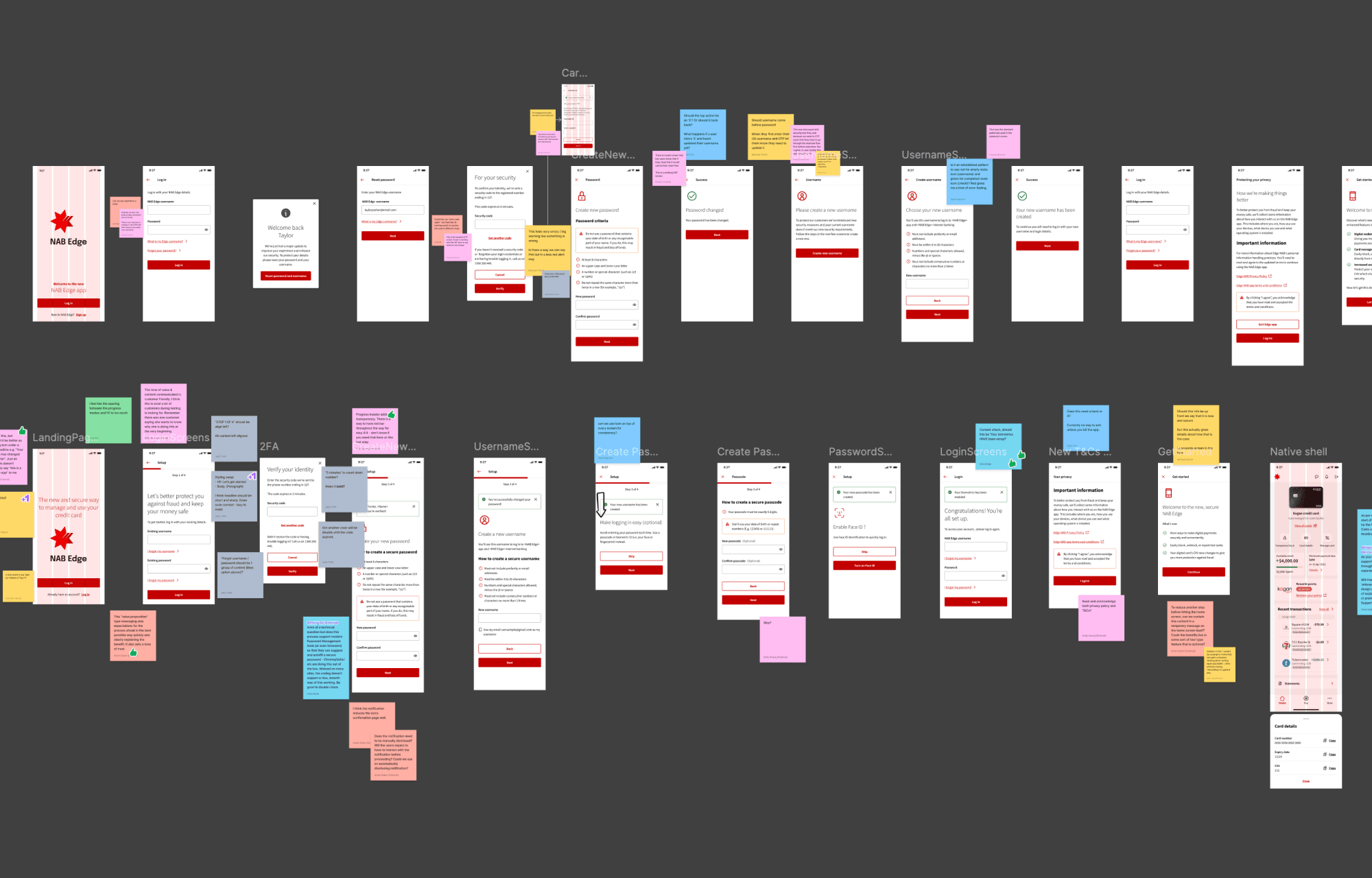
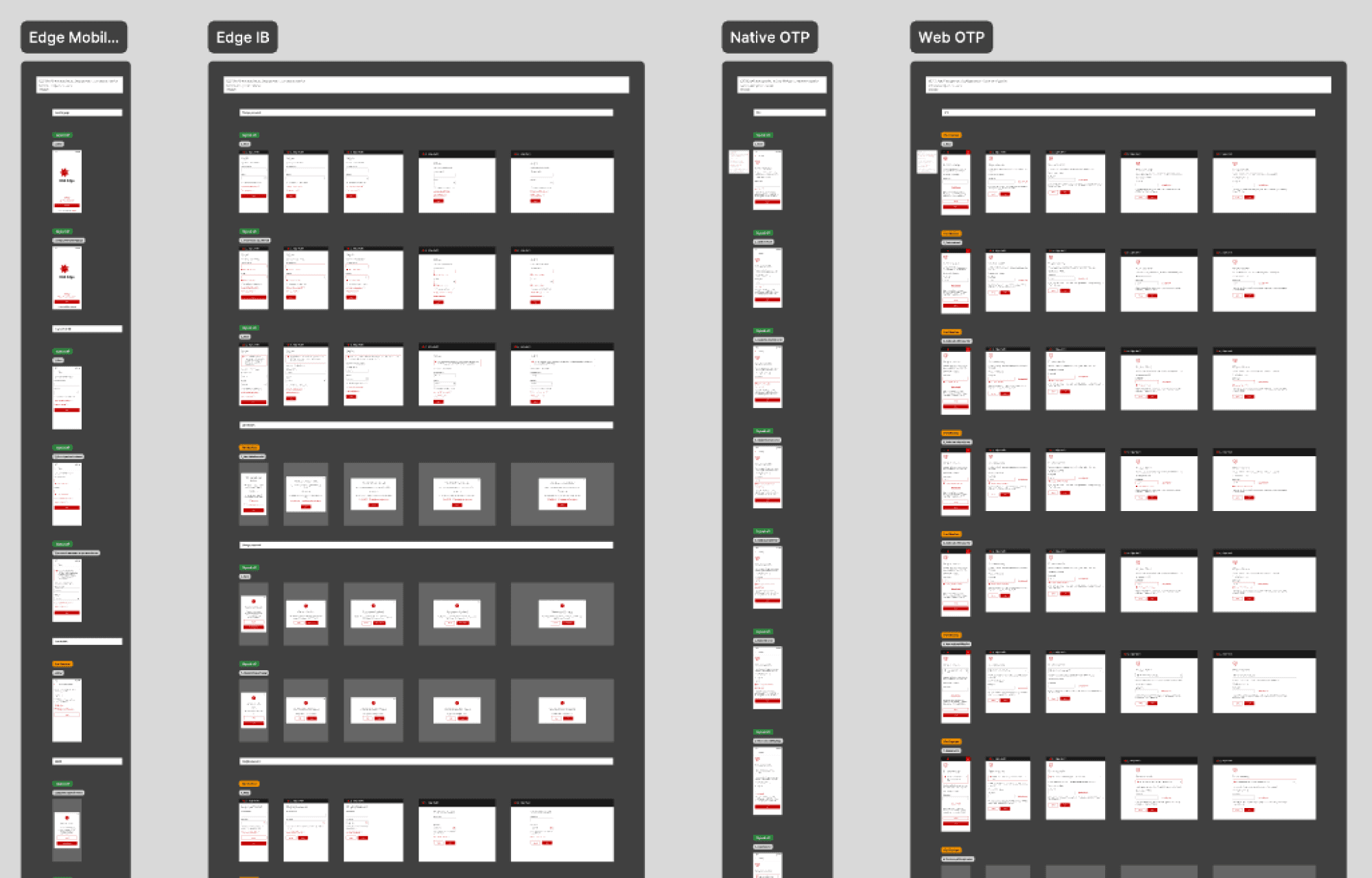
I began with heuristic evaluations and deep friction analysis on NAB’s onboarding flows, mapping exactly where people hit walls. Then, week after week, the team ran customer interviews, usability tests, card sorting exercises, and A/B tests. The usability data we gathered gave us a clear picture of what wasn’t working, and what was starting to feel right. When there was pushback in stakeholder discussions, I was able to bring in our testing data. Harder to argue with patterns that showed where users got stuck, confused, or abandoning the flow.
I also facilitated regular workshops with the engineering team to collaborate and troubleshoot technical issues. We’d sketch, debate constraints, and find UX improvements that could survive development. My role was as much about listening and translating as it was about designing screens.
To keep stakeholders aligned, I used a weekly research newsletter email to communicate key insight, a user quote, and design changes we were making because of it. It became a reliable tool for building momentum and protecting the user’s perspective as the programme moved forward.


94%
Customer satisfaction
-30%
Support tickets
-25%
Platform maintenance costs
What changed for people
The numbers mattered because they centred customer stories.
94% customer satisfaction — platinum rating, up from silver. The person who used to freeze at the migration screen now moved through it without a second thought.
30% fewer support tickets related to migration errors.
100+ features designed and delivered with production-ready UI, across pilot and future releases.
25% reduction in platform maintenance costs through consolidation.

A closing thought
This project taught me that migration UX is only partly about screens and flows. The rest is about emotional timing. Knowing when a person is ready to engage, and meeting them there without adding weight to their day. Designing for that felt less like a traditional product design task, and more like being a careful host, guiding someone through an unfamiliar space until it started to feel like theirs.

Other projects
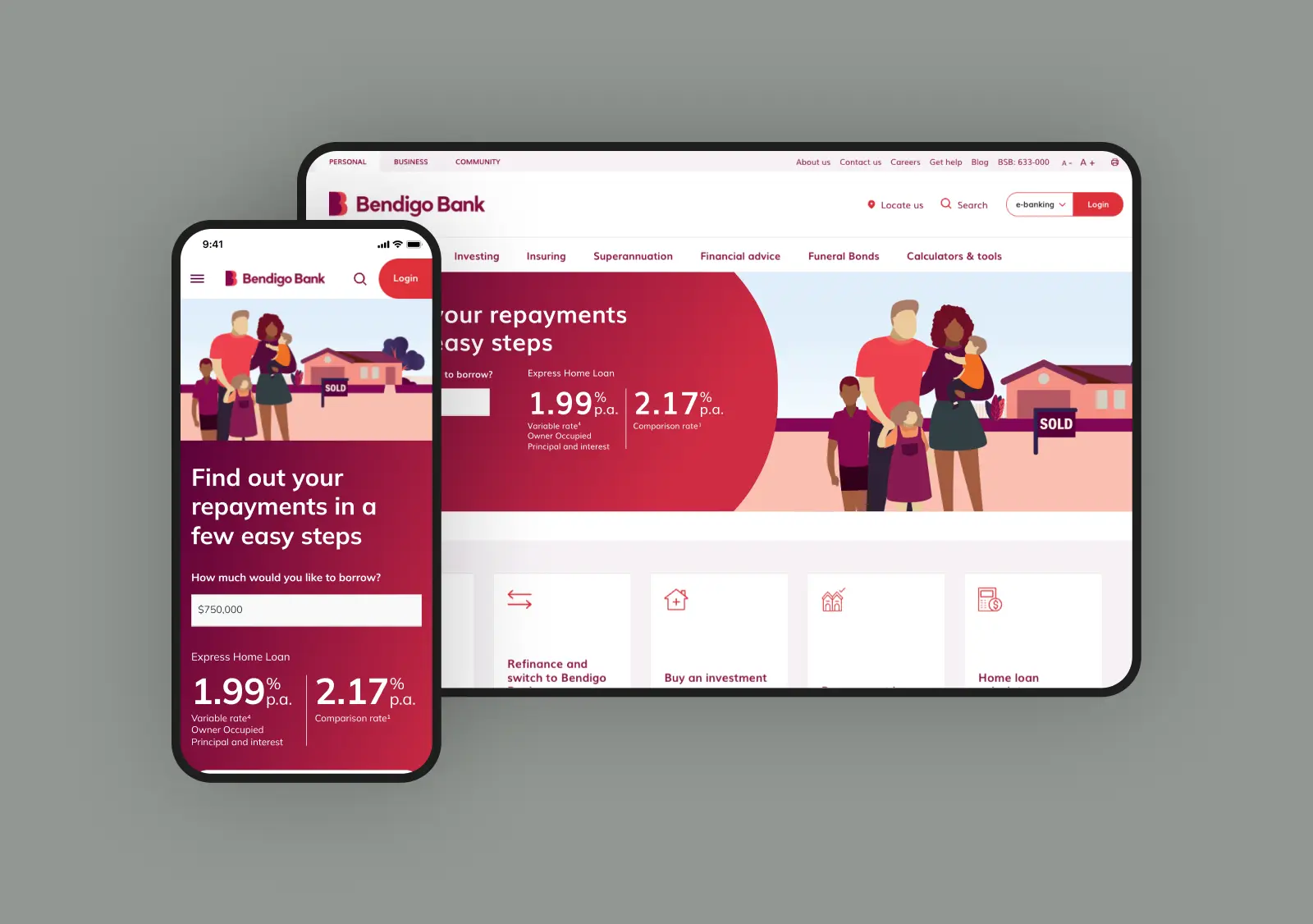
Bendigo Bank: A home loan journey that starts with “what can I afford?”
Using cognitive biases and a clear, supportive tool to help users understand their position. Then helping them take the next step.
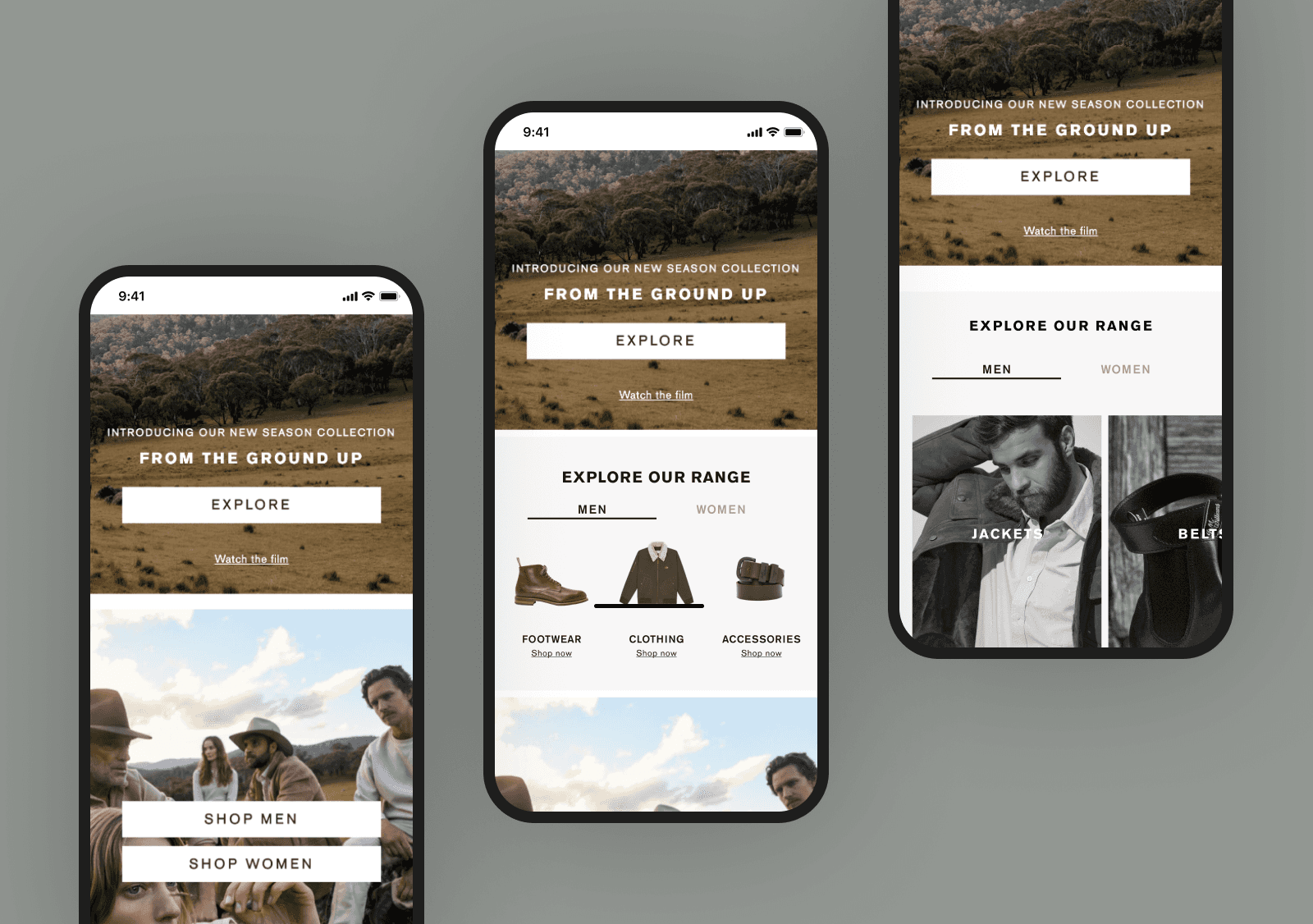
R.M. Williams: Guiding curiosity through a quiet redesign
Persona-driven choice architecture that helped 124k monthly users discover what they didn’t know they were looking for.